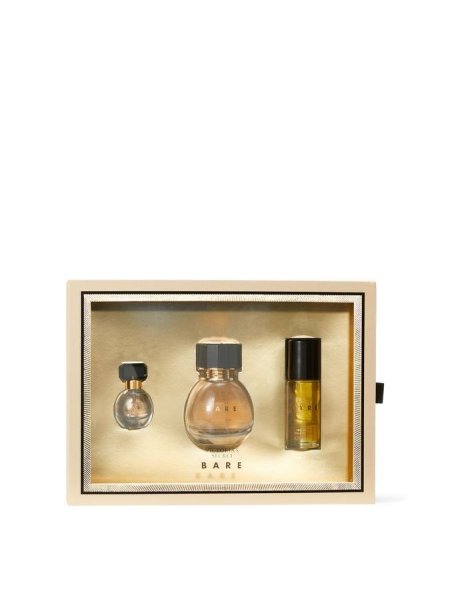
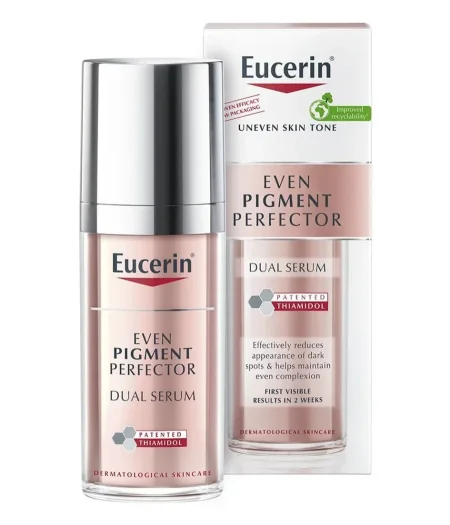
Eucerin Anti-Pigment hyperpigmentation
Skin concerns
Hypersensitive Skin
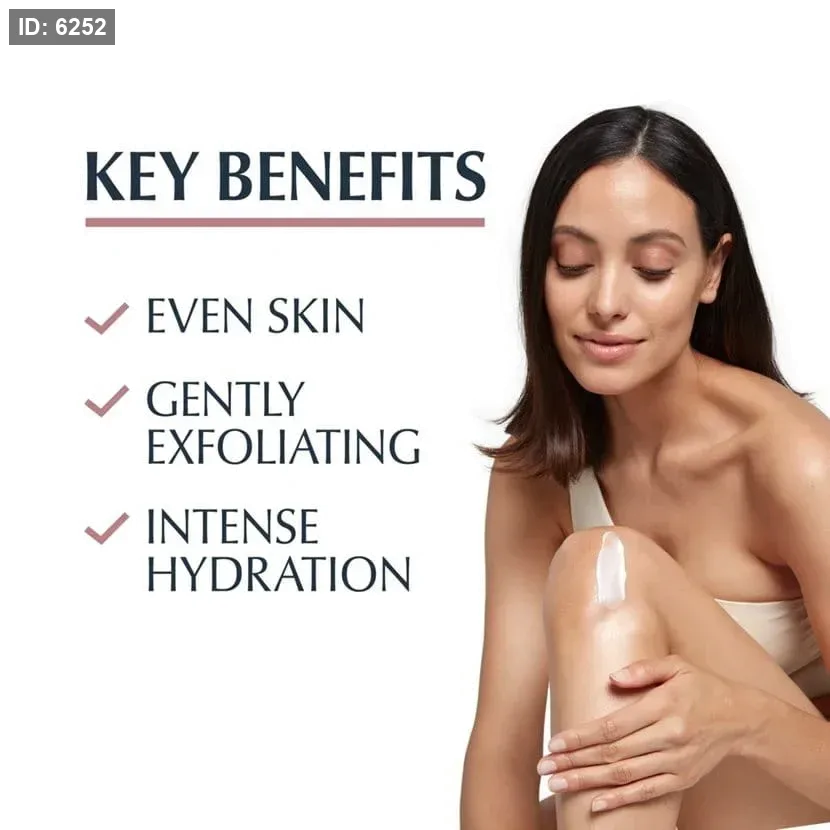
Key Benefits
Even skin and dark spot reduction
Gently exfoliating for smooth and soft skin
Intense hydration
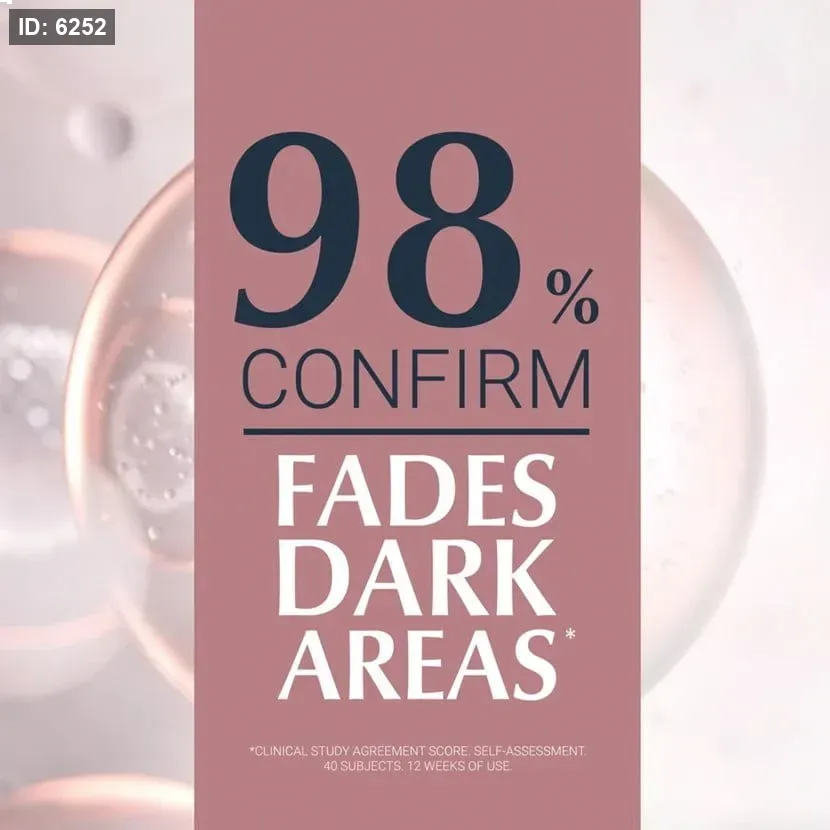
Reduces dark spots and thickened skin on friction areas
Key Ingredients
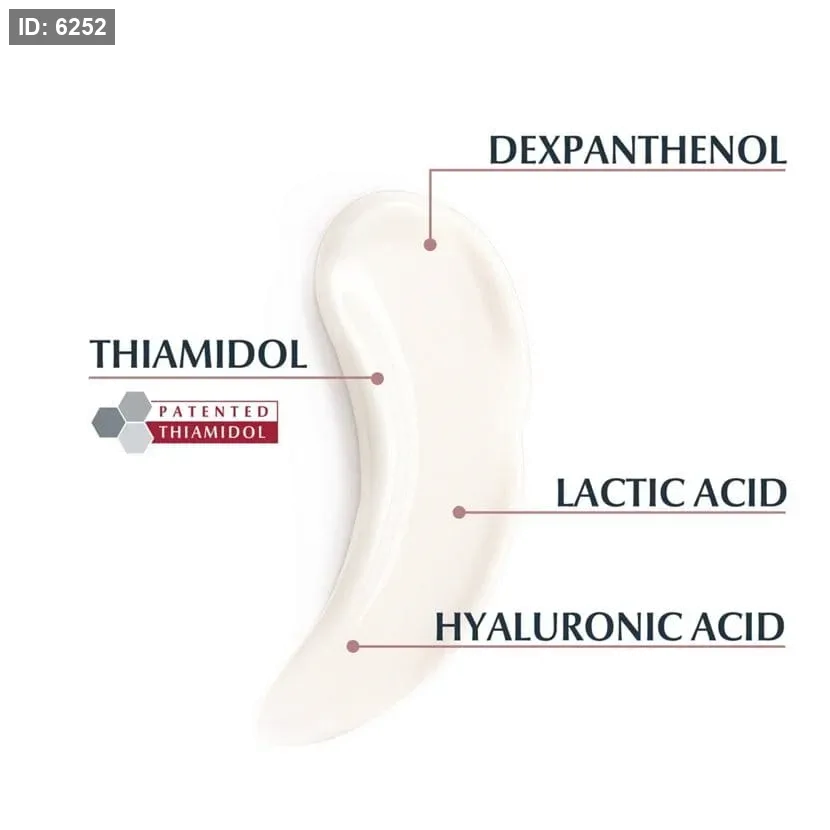
Thiamidol, Panthenol or Dexpanthenol, Lactic Acid
Size
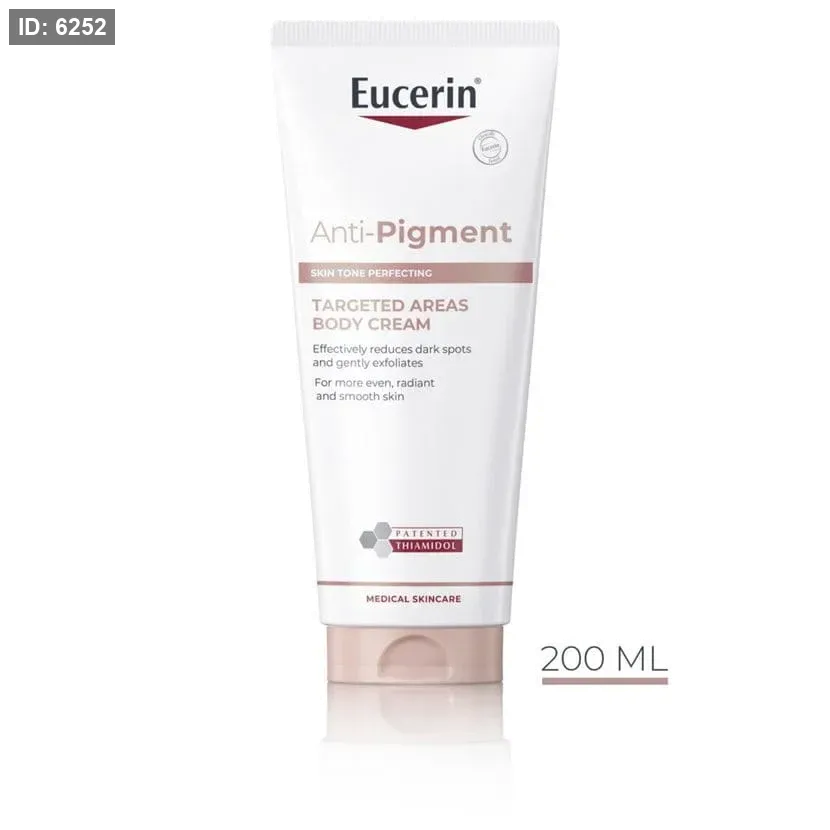
200 ml
About
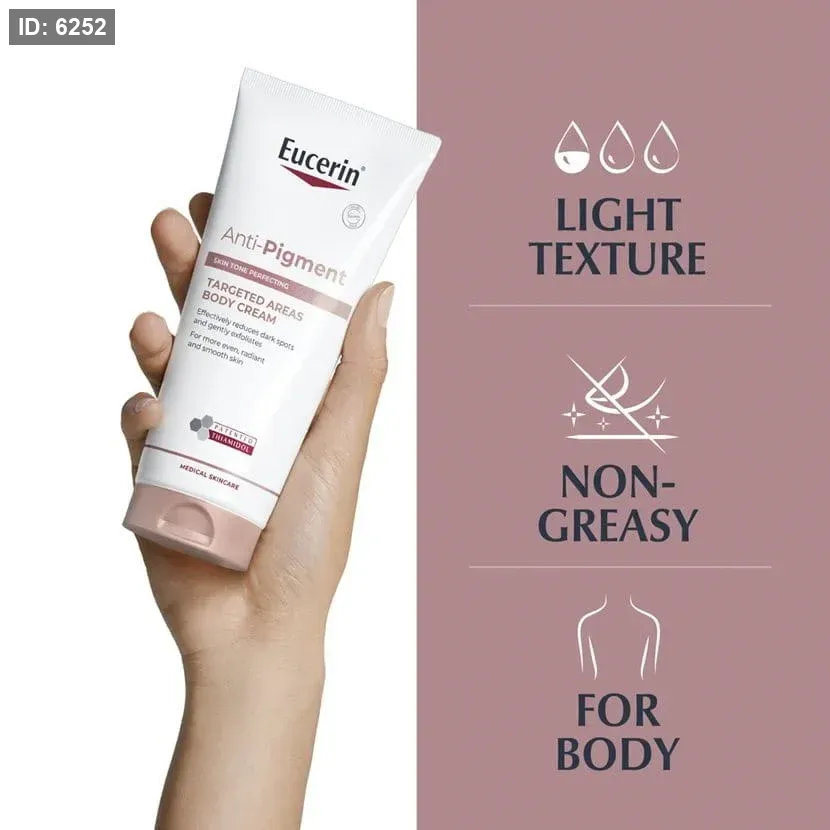
A clinically tested body cream that effectively reduces the appearance of dark spots and gently exfoliates thickened skin on friction areas such as knees, elbows, and small areas of post-inflammatory hyperpigmentation. Thiamidol effectively reduces dark spots and brightens skin tone. Lactic Acid and Dexpanthenol gently exfoliate and regenerate the skin, and Hyaluronic Acid provides long lasting hydration to the skin.
NART: 66979-00000-01
How to Use
Apply a thin layer on the affected body skin areas and gently massage into the skin.
Main Findings
97%
Evens out the skin tone
98%
skin feels immediately softer on elbows and knees
98%
gently renews the skin
98%
improves skin quality
97%
smoothens skin longlastingly
95%
skin feels deeply moisturized
Clinical Formula
Thiamidol
Introducing Thiamidol
Thiamidol is a patented ingredient, known to fight hyperpigmentation acting at its root cause. It works by inhibiting the human tyrosinase, the key enzyme in melanin production. Hyperpigmentation can be the result of different causes, e.g. sun-induced pigment spots, post-acne marks or age spots. Key benefits are:
Reduction of Hyperpigmentation: By effectively inhibiting tyrosinase, Thiamidol decreases melanin synthesis, leading to a visible reduction in dark spots and an even skin tone.
Works on all skin types: Thiamidol is dermatologically tested and suitable for all skin types, including dry, oily, combination, normal and sensitive skin. It works for skin of any ethnicity or age and thus is effective on all skin types and tones.
Fights post-acne marks: Post-inflammatory hyperpigmentation happens when skin is inflamed or injured, for example because of acne. The impacted area is left darkened and hyperpigmented despite having otherwise healed. Thiamidol addresses these areas resulting in an even skin tone.
Panthenol or Dexpanthenol
Introducing Panthenol/Dexpanthenol
Panthenol and Dexpanthenol are two names commonly used for the same ingredient. Panthenol participates in numerous metabolic processes (e.g. energy production, synthesis of fatty acids) and helps to improve hydration in the outermost layers of the skin. Panthenol converts into Panthotenic Acid (a B-Complex Vitamin) in the skin and enhances skin regeneration and repair. When applied regularly, it has been proven to considerably improve symptoms of skin irritation such as dryness, roughness, scaling and redness. It is also an effective moisturizer. Very well absorbed by the skin, it regenerates, stimulates epithelialisation and wound healing. It alleviates irritation and inflammation.
Lactic Acid
Introducing Lactic Acid
Lactic Acid is a skin-endogenous component of the Natural Moisturizing Factor (NMF) and a member of the Alpha-Hydroxy Acid (AHA) family. It acts in the stratum corneum with a two-fold effect:
Moisturization: Lactic Acid reduces skin scaling and balances the skin’s pH value to fight dry skin symptoms.
Comedolytic Action: By promoting gentle exfoliation, Lactic Acid prevents the formation of comedones and helps keep pores clear, contributing to a smoother skin texture.
Hyaluronic Acid
Introducing Hyaluronic Acid
Hyaluronic Acid is a skin-own humectant and filling substance, synthesized by epidermal keratinocytes and dermal fibroblasts. It plays a crucial role in skin hydration and volume. Natural levels of Hyaluronic Acid decrease with age leading to the formation and deepening of wrinkles. Two key benefits are:
Wrinkle Reduction: High molecular weight hyaluronic acid (~2,000 kDa) binds and retains high amounts of water, keeping the skin firm and well moisturized. This helps to smooth fine lines and wrinkles in the upper skin layers.
Deep Skin Rejuvenation: Low molecular weight hyaluronic acid (~52 kDa) penetrates deeper into the epidermis, stimulating skin’s own hyaluronan synthesis and promoting cell proliferation.
Panthenol or Dexpanthenol
Introducing Panthenol/Dexpanthenol
Panthenol and Dexpanthenol are two names commonly used for the same ingredient. Panthenol participates in numerous metabolic processes (e.g. energy production, synthesis of fatty acids) and helps to improve hydration in the outermost layers of the skin. Panthenol converts into Panthotenic Acid (a B-Complex Vitamin) in the skin and enhances skin regeneration and repair. When applied regularly, it has been proven to considerably improve symptoms of skin irritation such as dryness, roughness, scaling and redness. It is also an effective moisturizer. Very well absorbed by the skin, it regenerates, stimulates epithelialisation and wound healing. It alleviates irritation and inflammation.
 الرئيسية
 WOMEN
 PERFUMES
 BEAUTY SKIN CARE AND MAKEUP
 MEN
 ELECTRONICS & LIFE STYLE
 KIDS PERFUME
 OUTFIT KIDS
 عرض كل المنتجات
 وصل حديثاً
 SALE 2026
 اتصل بنا
 ZARA
 DIOR
 NIKE
 BERSHKA
 STRADIVARIUS
 CHANEL
 MANGO
 PULL & BEAR
 H&M
 NEW BALANCE
 GUCCI
 LOUIS VUITTON
 PANDORA
 MASSIMO DUTTI
 APPLE
 ADIDAS
 CHARLES & KEITH
 ALDO
 GUESS
 ZARA HOME
 SWAROVSKI
 TRIFOI LINE by DANA KITTANEH
 TOM FORD
 STEVE MADDEN
 MUGLER
 ARMANI BEAUTY
 NAUTICA
 CAROLINA HERRERA
 VERSACE
 MONTBLANC
 JAGUAR
 JEAN PAUL GAULTER
 LACOSTE
 CALVIN KLEIN
 BOSS
 ELIE SAAB
 BERBURRY
 ROBERTO CAVALLI
 LANCOME
 DOLCE & GABBANA
 SAINT LAURENT
 MARC JACOBS
 MANCERA
 ARMAF
 AMERICAN EAGLE
 DKNY
 VALENTINO
 LALINE
 PIXI
 OFRA
 WELLNESS
 LOCCITANE
 NARCISO
 AL HARAMAIN
 TERMINAL X
 GOLBARY
 PRADA
 MONTALE
 PACO RABANNE
 NISHANE
 MICHAEL KORS
 Jo malone london
 Givenchy
 xerjoff
 Victorias Secret
 Bath and body works
 LALINE
 NAM makeup
 PARFUMS de MARLY
 Lattafa Perfumes
 Thomas Kosmala
 dunhill
 creed
 Jimmy Choo
 Coach
 Alsamah
 chloe
 TOMMY HILFIGER
 Cartier
 GUERLAIN
 maison francis kurkdjian
 MARVIS
 DIESEL
 Fragrance World
 Longchamp
 LAVERNE
 Hermès
 LOREAL
 Alo Yoga
 ESCADA
 IL MAKIAGE
 MAC
 NEXT
 ROJA
 Charlotte Tilbury
 Huda Beauty
 Venus
 RealTechniques
 IT Cosmetics
 NYX
 benefit
 GLOW RECIPE
 K18
 elf
 Laura Mercier
.png) tarte
 NARS
 ASSAF
 Milk
 fenty beauty
 Summer fridays
 Patrick ta
 NOREVA
 Hourglass
 drunk elephant
 tatcha
 CLARINS
 Kenz cosmetics
 CLINIQUE
 carolina lemke
 TOCOBO
 Biodance
 Shiseido
 LANEIGE
 SOL DE JANEIRO
 secret Key
 Old Spice
 Billie Eilish
 Spring JEWELRY
 MAYBELLINE
 POP MART
 PARFOIS
 SPECTRA
 PanOxyl
 Kilian
 Rasasi
 Al majed oud
 ALEZZ
 Le Bonheur
 Ahmed Al Maghribi Perfumes
 Issey Miyake
 Aura secret touch collection
 !JOOP
 embryolisse
.png) medicube
 wishdoit
 OGX
 Vaseline
 sospiro
 Juliette Has A Gun
 AMOUAGE
 THNYAN
 Mercedes-Benz
.jpg) mixsoon
 la roche-posay
 French Avenue
 makeup forever
 KAYALI
 SEPHORA
 REEF
 EQQUALBERRY
.png) Dr.Althea
.png) Anua
 celimax
.png) Myperfumes
 BIODERMA
 Just Cavalli
 VIKTOR&ROLF
 numbuzin
 beauty of joseon
 The Ordinary
 ARM & HAMMER™
 Carrot Sun
 flormar
 Eucerin
 Crest
 Abdul Samad Al Qurashi
 montage
 Mom's Bath Recipe
 MAVALA
 luv it
 GISSAH
 Essential Parfums
 Karseell
 Madagascar Centella
 polo ralph lauren
 one/size
 makeup by mario
 NATASHA DENONA
 KIKO
 Rare Beauty
 Balea - dm
 Narins Beauty
 carmex
 Dkhoon al emiratia
 Maison Crivelli
 too faced
 Arencia
 Hung Vanngo Beauty
 عرض الكل
 تحدث الينا - واتساب
 تابعنا على فيس بوك
 تابعنا على إنستغرام
 تابعنا على تيك توك
 تابعنا على سناب شات








.png)





-450px.png)